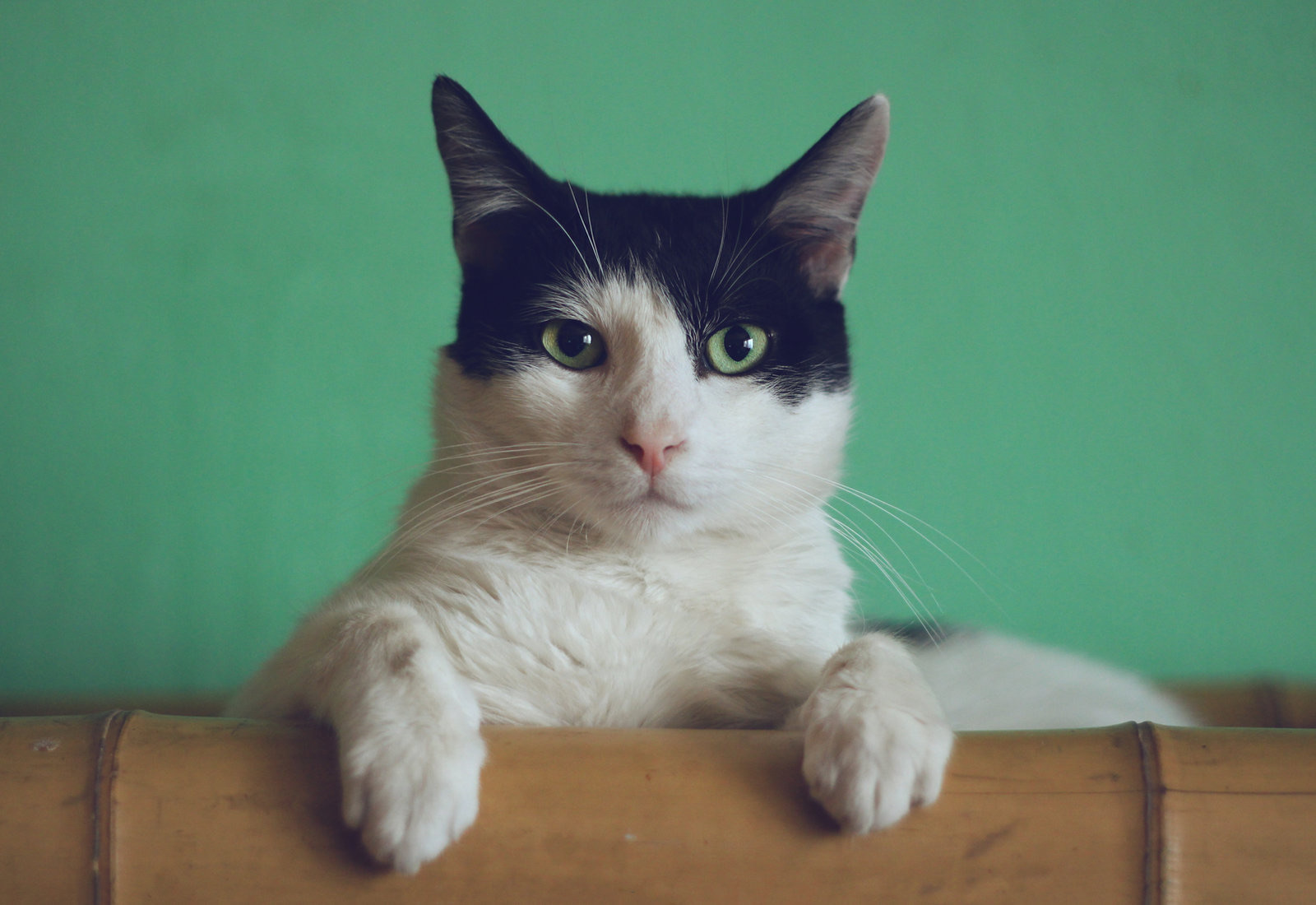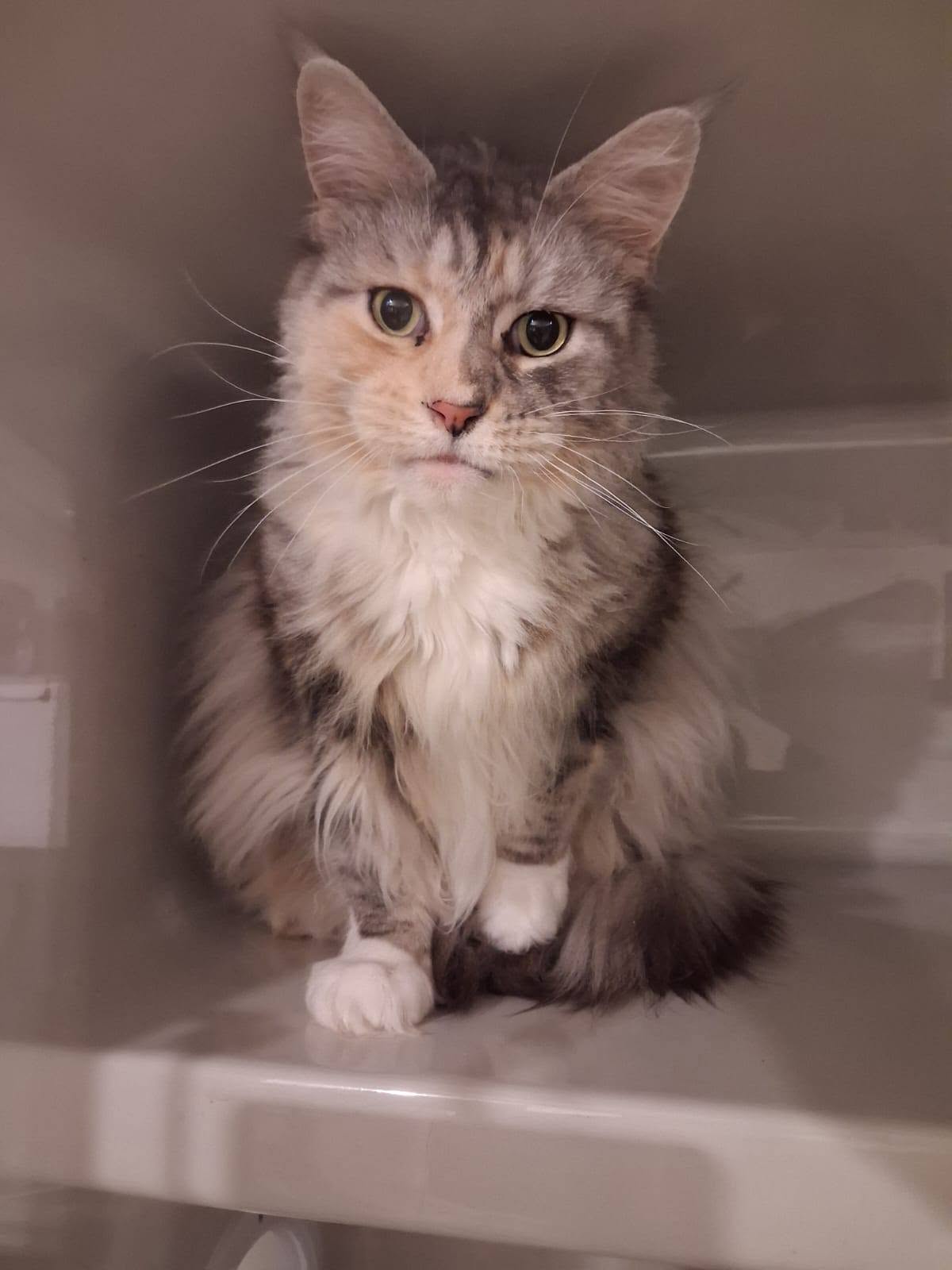
A cat's body is built for one job above all: catching small prey at dawn and dusk. Their eyes, ears, nose and whiskers are tuned for it, even in a cat whose biggest hunt of the day is chasing a bottle top across the kitchen.
Knowing how those senses work explains a lot of everyday cat behaviour, and it helps you set up a home your cat feels comfortable in.
1. Eyes made for dim light
Cats see far better than we do in low light. Behind the retina sits a reflective layer called the tapetum lucidum, which bounces light back through the eye for a second chance to be detected. It's also why cats' eyes glow in a torch beam or in the dark corner of a photo.
Their eyes are very sensitive to movement, which is why a toy that darts and pauses is far more exciting than one that just sits there.
There are trade-offs, though:
- Colour: cats see some colour, mainly blues and yellows. Reds and greens look much alike to them.
- Close up: objects right in front of the nose are blurry. Cats rely on their whiskers and sense of smell at very short range.
- Total darkness: no animal can see without any light. Cats simply need much less of it.
2. Hearing far beyond ours
A cat's hearing range is remarkable. In a study of the domestic cat's hearing, cats heard sounds from about 48 Hz up to 85 kHz, one of the broadest ranges measured in mammals. People top out at around 20 kHz. That extra high range is well suited to the squeaks and rustles of small rodents.
Cats can also turn each ear separately, like a pair of satellite dishes, to pinpoint where a sound is coming from.
What it means at home: loud or sudden noises can be genuinely stressful. Building work, vacuum cleaners and fireworks are all much bigger events for a cat than for us. A quiet retreat, away from the noise, helps.
3. A world made of smells
Smell is how cats recognise places, people and other cats. They also have a second scent organ, the vomeronasal or Jacobson's organ, in the roof of the mouth. When a cat sniffs something interesting and then pauses with its mouth slightly open, it is drawing scent towards that organ. This is called the flehmen response and it often looks like a grimace.
What it means at home: strong cleaning products, air fresheners and scented litter can be unpleasant for cats. Familiar smells are reassuring, which is why a blanket or toy from home helps when a cat goes somewhere new. Our tips on preparing your cat for a cattery stay use exactly this.
4. Taste: no sweet tooth
Cats can't taste sweetness. Researchers found that one of the two genes needed for the sweet taste receptor doesn't work in cats. For an animal that eats meat, sweetness simply isn't useful.
Smell plays a big part in appetite. A cat with a blocked nose from cat flu may lose interest in food because it can't smell it properly. If your cat stops eating, talk to your vet. Our article on cat nutrition covers feeding in more detail.
5. Whiskers: a close-range map
Whiskers are thick, deeply rooted hairs packed with nerve endings. They pick up tiny air movements and touch, help cats judge whether a gap is wide enough, and make up for the blurry close-up vision. Cats have whiskers on the muzzle, above the eyes and on the back of the front legs.
The position of the whiskers also tells you something about mood. Relaxed whiskers sit out to the sides, while whiskers fanned forward show a cat that is alert and focused.
Whiskers should never be trimmed. Some cats also seem to prefer wide, shallow food and water bowls where their whiskers don't brush the sides.
6. Balance and agility
A flexible spine, strong back legs and a keen sense of balance let cats jump several times their own height and twist in the air to land on their feet. This is known as the righting reflex.
It doesn't make them fall-proof. Cats are still injured falling from balconies and open windows, so it's worth securing high openings, especially in apartments.
Sensing their surroundings
Seen through a cat's senses, a quiet, calm, familiar-smelling space makes a lot of sense. It's part of why Nelson Cat Hotel sits beside a peaceful farm at the top of Somerset Terrace, away from traffic and industrial noise. You can read about how cats communicate with their bodies, or arrange a viewing to see the cattery for yourself.