Cats have a reputation for being mysterious. Most of the time, though, they are telling us exactly how they feel. They just do it with their tail, ears, eyes and scent rather than with words. Adult cats rarely meow at each other at all. The meow is mostly a sound they save for us.
Once you know what to look for, a lot of puzzling behaviour starts to make sense.
1. Watch the tail
The tail is one of the clearest signals a cat has.
- Tail straight up is a friendly greeting. International Cat Care describes it as a sign of friendly intent when a cat approaches you or another animal.
- Tail tucked low or wrapped tightly around the body usually means anxiety or fear.
- Tail thumping or lashing signals irritation. It's a good moment to stop what you are doing.
- A puffed-up tail means a frightened cat trying to look bigger.
2. Ears, eyes and whiskers
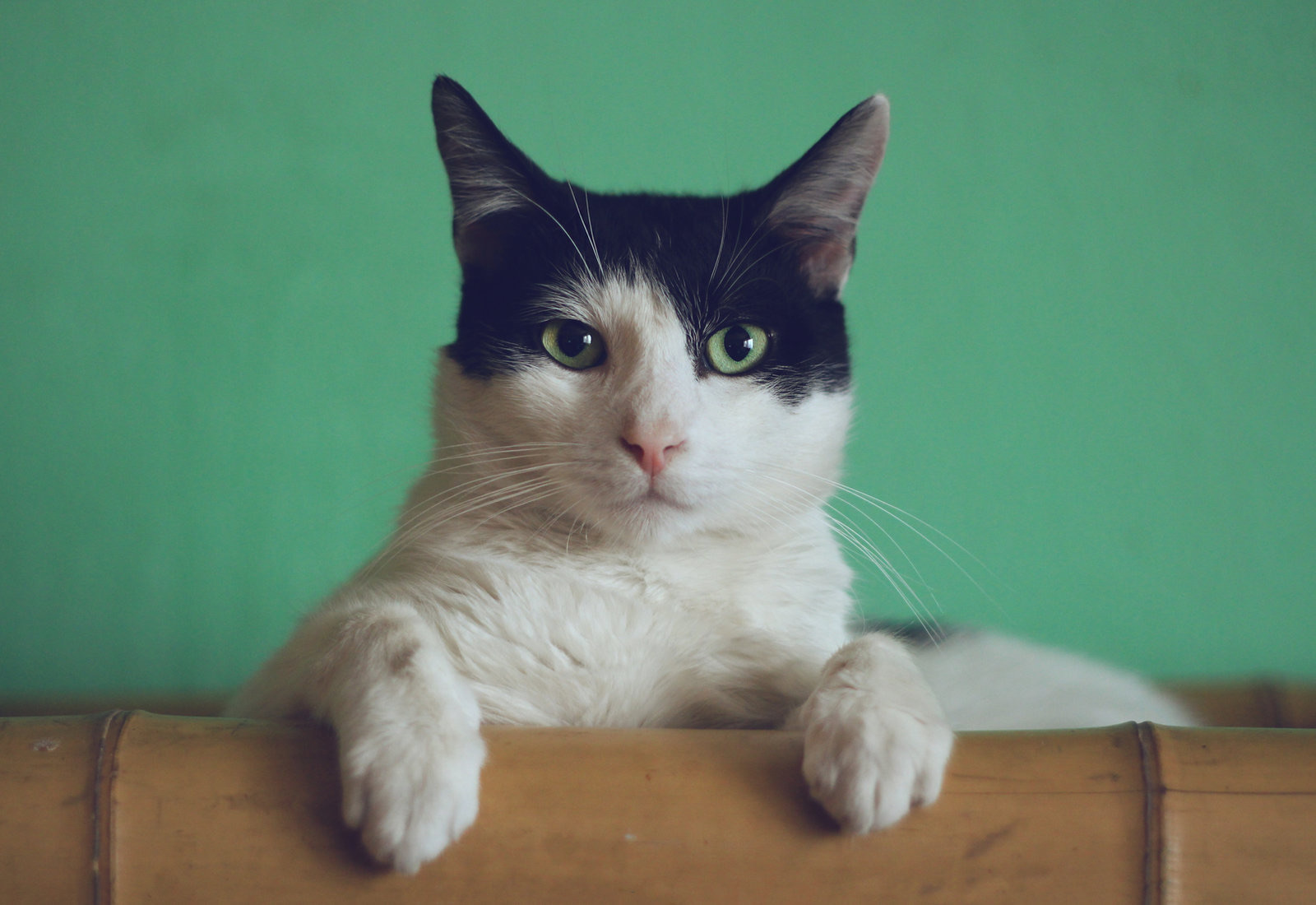
- Ears facing forward mean a relaxed or interested cat. Ears turned sideways or flattened against the head point to fear or defensiveness.
- A slow blink from a relaxed cat is usually read as a friendly signal, although Cats Protection points out that nobody is entirely sure what it means. If the rest of the body looks relaxed, try slowly blinking back.
- Wide pupils can mean excitement, fear or simply low light, so read them together with the rest of the body.
- Whiskers fanned forward show a cat that is alert and focused, for example on a toy or something outside the window.
3. The belly roll
A cat rolling over to show its tummy is usually relaxed, comfortable or in the mood to play. It isn't always an invitation for a belly rub. Many cats will grab your hand with all four paws if you try, so a gentle chin scratch is often the safer response.
4. Rubbing, scratching and kneading
Rubbing their cheeks against you, doorways and furniture leaves scent from glands on the face. It marks familiar places and people, and it's linked to feeling comfortable and secure.
Scratching keeps claws in good shape, gives a full-body stretch and leaves both a visual mark and scent from the paws. It isn't bad behaviour. Offer a sturdy post that is tall enough for a full stretch, near where your cat already likes to scratch.
Kneading, the rhythmic pushing with the front paws, starts in kittenhood when kittens knead to get milk flowing. Adult cats often knead when they feel content, sometimes with a bit of drooling.
5. Purring isn't always happiness
Most purring happens when cats are relaxed and content. But cats also purr when they are stressed, in pain or unwell, possibly as a way of calming themselves. If a normally chatty cat is hiding and purring, look at the whole picture.
6. Why some cats bite during a cuddle
A cat that bites suddenly while being stroked is usually saying "that's enough". Many cats enjoy short strokes around the head and cheeks but get overwhelmed by long strokes down the back or near the tail.
Warning signs often come first: the skin on the back twitches, the tail starts flicking, the ears turn sideways, or the cat stops purring and looks round at your hand. Stop at that point, and keep petting sessions short and on your cat's terms.
7. Signs of stress
Cats show stress quietly. Look for:
- hiding more than usual
- overgrooming, sometimes leaving bald patches
- weeing or spraying outside the litter tray
- eating less
- being unusually jumpy or watchful
Common triggers include moving house, building work, a new pet or baby, and neighbourhood cats staring through the window. Giving your cat hiding places, high perches and a predictable routine helps a lot. Our article on cat enrichment has practical ideas.
8. When a change in behaviour means a vet visit
A sudden change in behaviour is often the first sign of a health problem. A cat that starts hissing when picked up may be sore. New toileting problems can point to a urinary issue or arthritis. Before treating something as a behaviour problem, talk to your vet to rule out pain or illness. Our guide to signs your cat is unwell lists what to look out for.
Listening to your cat
The more you watch your cat's body language, the easier it becomes to know when they want company and when they want space. We do the same with every guest at Nelson Cat Hotel, and it matters most for shy cats. If your cat finds new places hard, read our tips on reducing stress for a nervous cat during boarding.