Cats take care of a surprising amount themselves. They groom, they nap, and they let you know when dinner is late. A simple routine covers the rest, and it has a hidden bonus: when you do the same small checks every day, you notice quickly when something changes.
Here is a practical routine you can adapt to your own cat and household.
1. Every day
- Fresh water. Clean bowls, filled daily. Many cats drink more when water is placed away from their food.
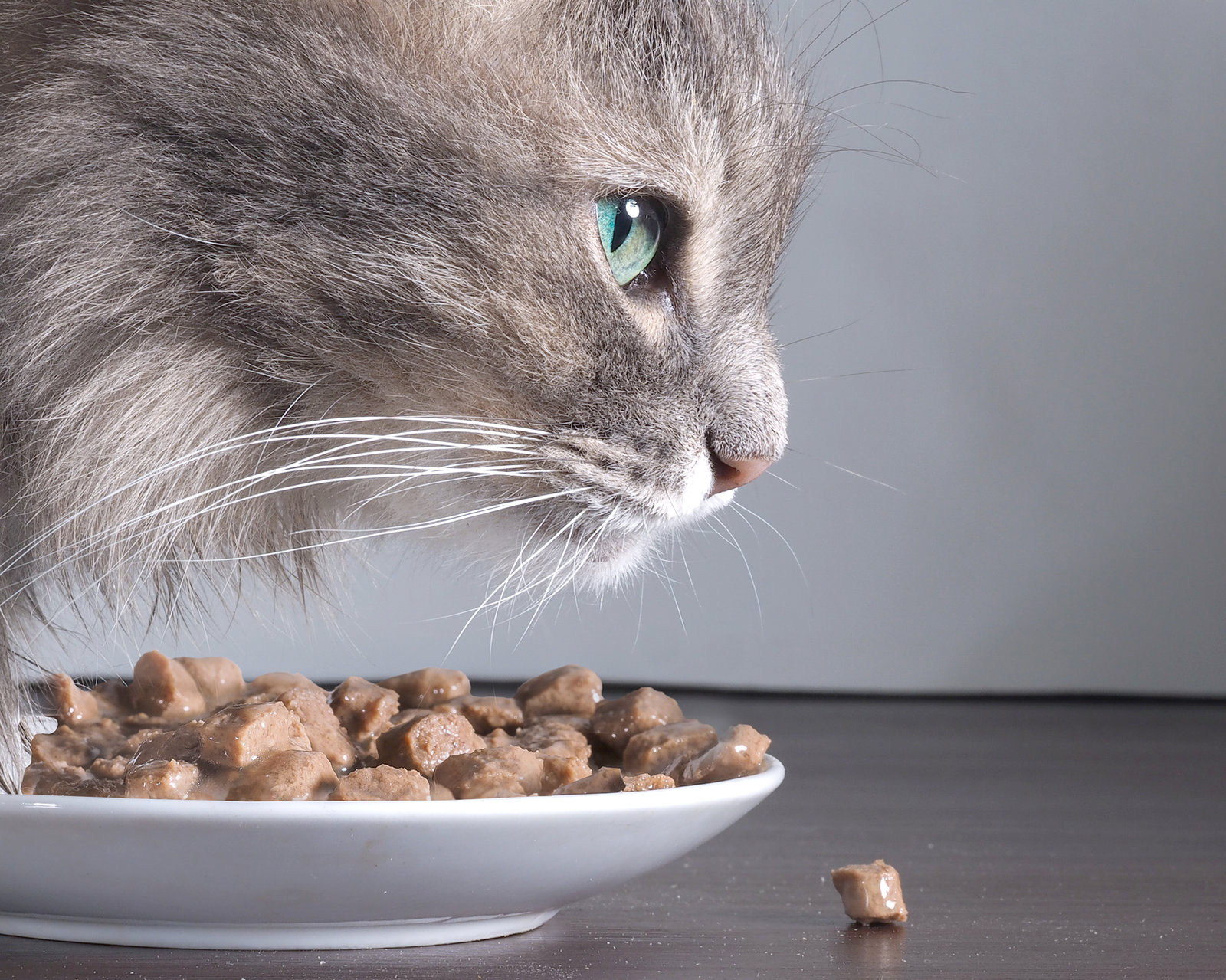
- Measured meals. Weigh or measure the daily amount so treats and top-ups don't creep up. Our guide to cat nutrition covers how much to feed.
- Litter tray. Scoop at least once a day. Cats are fussy about clean toilets, and it's the easiest place to spot changes in wee or poo.
- Play. Two or three short sessions with a wand toy suit most cats better than one long one.
- A quick look. Bright eyes, clean nose, normal appetite, moving comfortably. It takes ten seconds once it's a habit.
2. Every week
- Brush. Shorthaired cats usually need a weekly brush. Longhaired cats need more, and extra during the spring moult.
- Check the details. Claws, ears, and a look at the teeth and gums if your cat allows it.
- Wash bedding, but not all of it at once. Cats feel at home when things smell familiar.
- Swap toys around. Putting some away for a week makes them interesting again.
- Clean the litter tray thoroughly, depending on the type of litter you use. Mild soap and hot water are fine. Strongly scented cleaners can put cats off.
3. Every month or two
- Weigh your cat. Weigh yourself holding your cat, then without, and write down the difference. Slow weight changes are hard to see by eye.
- Flea and worm treatment, on the schedule your vet recommends.
4. Once a year
- Vet check and vaccinations. Older cats often benefit from a check every six months. Our article on signs your cat is unwell explains what vets look for.
- Microchip details. Make sure your cat is registered on the New Zealand Companion Animal Register and your phone number and address are current.
5. Make your home safer
A few common household items are genuinely dangerous for cats. According to International Cat Care:
- Lilies are highly toxic. A small amount of pollen licked off the coat can cause kidney failure, so keep them out of the house.
- Paracetamol and other human painkillers can seriously harm cats, even in small doses. Never give your cat human medicine.
- Dog flea treatments containing permethrin are poisonous to cats.
- Antifreeze can cause kidney failure even in tiny amounts. Store it sealed and wipe up any spills.
Also think about open windows and balconies, dangling blind cords, and string, thread or hair ties, which cats love to play with and sometimes swallow.
6. Handling and the cat carrier
Let your cat come to you rather than scooping them up mid-nap. When you lift them, support the chest with one hand and the back legs with the other so they feel secure.
The carrier is worth practising with long before you need it. Leave it out as part of the furniture with a soft blanket inside, and drop the occasional treat in. A cat that naps in its carrier is much easier to take to the vet. Our guide on preparing your cat for a cattery stay has more tips.
7. Plan for emergencies
New Zealand has its share of earthquakes, floods and storms. The government's Get Ready guide for pets suggests:
- food, water and supplies for at least three days, and any medicines your cat needs
- a carrier for each cat
- a microchip registered with the NZCAR, with details kept up to date, including an out-of-region contact
- someone who can collect and look after your cats if you can't get home
It also helps to keep a recent photo of your cat, their vaccination record and your vet's phone number with your emergency kit.
8. When you are away
Plan care for holidays early, especially for school holidays and Christmas. A trusted sitter suits some cats. Others, especially cats that need medication or closer monitoring, are better off in a cattery with experienced staff.
Small habits, happier cats
None of this takes long once it's part of your day, and it adds up to a cat who is safer, calmer and easier to care for. If you are planning a trip, Nelson Cat Hotel is a small, vet-owned cattery in Stoke, and you can book your cat's stay online.